


Rum isn’t just a tropical mixer or a pirate’s favourite. It’s a complex, versatile spirit that can develop incredible depth and flavour when properly aged. The good news? You don’t need a full-scale distillery in the Caribbean to experience that transformation. With the right tools — and a bit of patience — you can age your own rum at home.
In this guide, we’ll walk you through everything you need to know about how to age rum: how long to age rum, how to age rum in a barrel, and how to bring out its full flavour potential. Whether you’re a home bar enthusiast, a curious gift-giver, or simply want to understand what happens inside a rum barrel, this article is for you.

Image: Pexels
Much like whisky, aging transforms raw, high-proof rum into a smoother, more complex spirit. During the aging process, rum absorbs flavour compounds from the barrel while undergoing chemical changes that mellow harsh notes and enhance its aroma, texture, and depth.
When you age your own rum at home, you get to:
Plus, it also looks cool on the shelf. A hand-filled crystal decanter of your own barrel-aged rum? That’s a conversation starter — and a great gift.
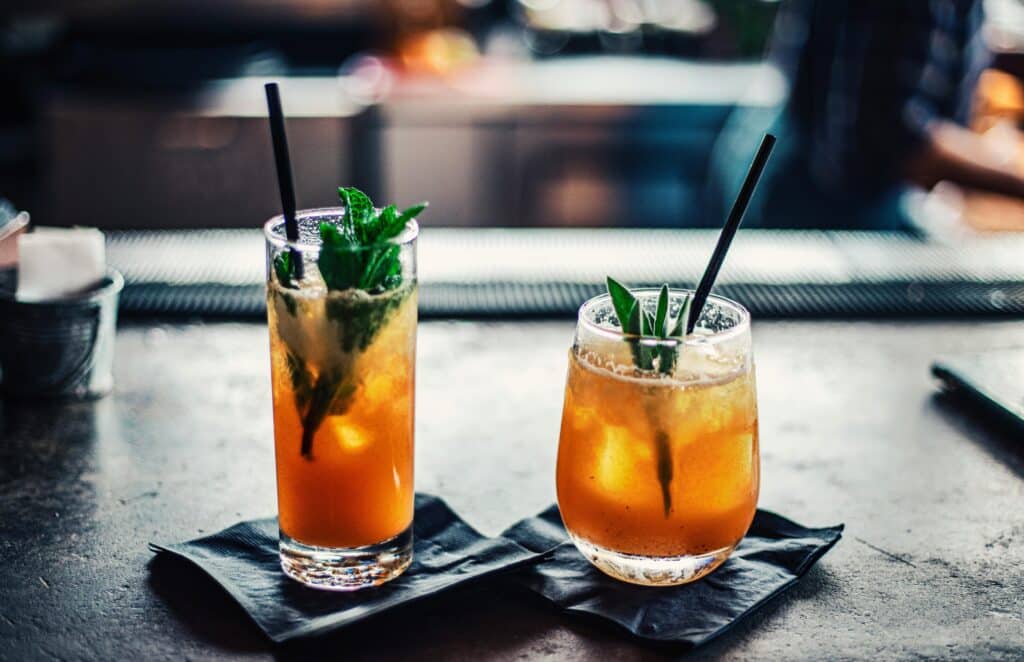
Image: Pexels
Before we dive into how to age rum at home, let’s explore what actually happens when rum is stored in a barrel.
As the rum soaks into the oak, it draws out naturally occurring compounds like vanillin (vanilla flavour), lactones (coconut aroma), tannins (bitterness/astringency), and hemicellulose (caramel sweetness). These are the flavours that give aged rum its golden colour and distinctive notes.
Tiny amounts of oxygen seep into the barrel through the wood’s porous structure. This softens the harsher alcohols and leads to smoother sipping.
Known as the “angel’s share,” a small amount of rum is lost through evaporation. But this concentration effect can actually intensify the flavour of what remains.
Alcohol and organic acids react inside the barrel, creating esters — the fruity, floral, or buttery notes that can add amazing complexity to your rum.
Image: Pexels
You can age just about any clear or lightly aged rum, but your results will vary depending on the base spirit you start with. Here are your options:
This is the best base for experimenting at home. Unaged rum gives you the most dramatic transformation over time and allows the barrel to do the heavy lifting.
Still a good option — this rum has had some barrel exposure but can benefit from further maturation.
If you start with a spiced rum, keep in mind that the spices may overpower the wood influence. But it can still be fun to see how the flavours evolve.
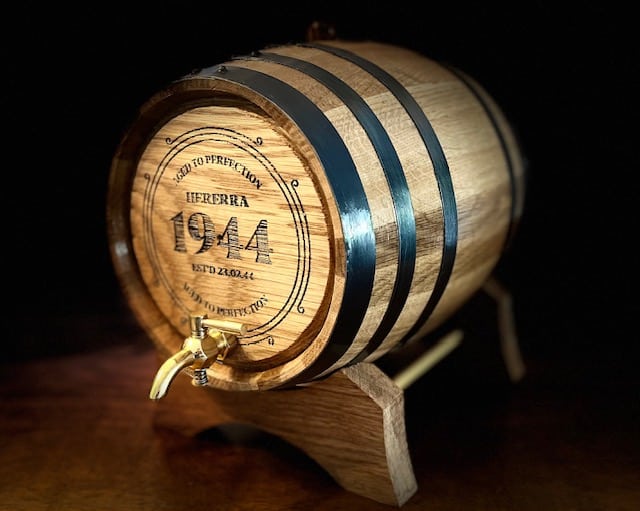
Image: Barrel & Bar Gift Factory
This is where the magic happens — and where your choice of barrel really matters.
Our genuine American oak barrels are ideal for aging rum. Unlike many mass-produced options, ours are:
Free shipping on all orders means you don’t have to worry about added costs — just pick your barrel and get started.
Want to impress? Add a crystal glass or decanter to your order for a premium home bar setup.
If the barrel is brand new, fill it with warm water and let it sit for 4 hours to seal any leaks. Drain, then rinse again. Some people recommend seasoning the barrel with a little neutral spirit (like vodka or white rum) before starting, to reduce the intensity of the wood notes in the first batch.
Image: Pexels
Pick a good-quality white or gold rum with at least 40% ABV. You’ll want something clean, with no additives or artificial colouring.
Pour the rum into the barrel, seal it, and store it in a cool, stable environment out of direct sunlight. Somewhere between 15–22°C is ideal.
This is where things get fun. Start sampling your rum after 2–3 weeks, then every week after that. Because small barrels age faster, your rum could be ready in just 4 to 12 weeks.
Use a small pipette or spout to extract samples. Look for changes in colour, aroma, smoothness, and depth of flavour.
Once your rum hits the sweet spot, bottle it in a glass or crystal decanter to halt the aging process. The transformation stops once the rum is removed from the barrel.
There’s no universal answer here, especially when it comes to home aging. It depends on:
How long should you age rum for? |
|
| Barrel Size | Aging Time |
| 1–2L | 3 to 6 weeks |
| 3–5L | 6 to 12 weeks |
| 10L+ | 3 to 6 months |
Remember, smaller barrels = faster aging. But faster isn’t always better. Over-aging can lead to overpowering woodiness or bitterness, so sample frequently.
When you age your own rum in oak barrels, you’re encouraging a flavour evolution. Here’s what might come through, depending on your rum and barrel:
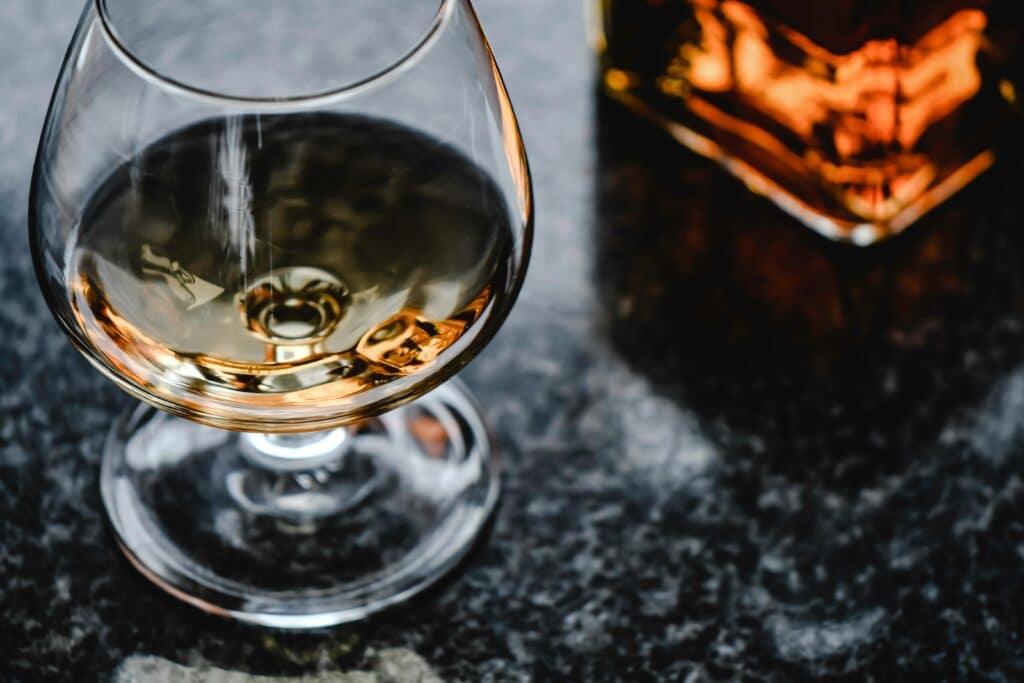
Image: Pexels
Yes, you can reuse the barrel, but it’ll behave differently with each use.
Some enthusiasts reuse barrels to age other spirits like whisky, tequila, or even brandy. You can also use it to create your own custom blends.
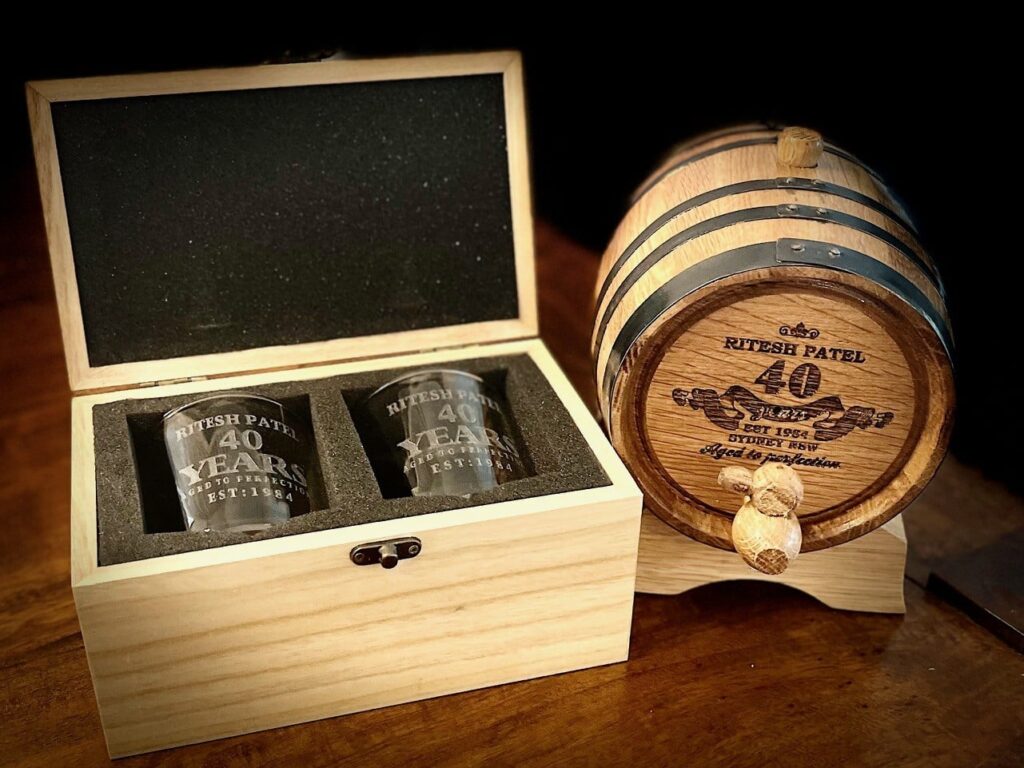
Image: Barrel & Bar Gift Factory
Whether you’re looking for a weekend project, a show-stopping gift idea, or a new hobby that delivers delicious results, aging your own rum at home is a rewarding experience.
From the moment you pour your first batch into one of our handcrafted oak barrels, you become part distiller, part blender, and full-time flavour curator. You’ll learn how to tweak the aging process, find your ideal finish, and create a drink that’s truly your own.
At Barrel & Bar Gift Factory, we make it easy to get started with:
Ready to turn a simple rum into something extraordinary? Shop oak barrels now and start aging your own rum today.